A Designer's Look at the Smile-Crying Sad Face Embroidery Design
As a designer who stitches for clients and my own shop, I look at new embroidery files with a very practical eye. The ‘Face Mask Designs. Smile Crying Sad Face’ graphic caught my attention not just because it’s a freebie, but because it has that quirky, relatable personality that sells in the handmade market. My first thought wasn’t about a mask—it was about how this expressive little face would translate into thread on a tote bag or a baby’s sweater.
The Immediate Mood and Visual Personality
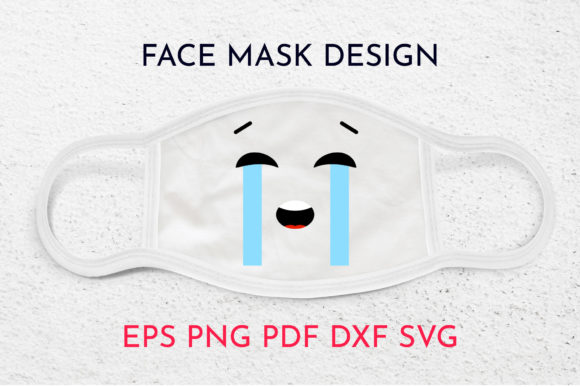
This design’s charm lies in its simplicity and clear emotion. The single teardrop combined with a smiling mouth creates an instant, universally understood feeling—that bittersweet, laughing-through-the-pain moment. For embroidery, this is a gift. The shapes are bold and clean, without overly intricate details that could get lost in stitching. The layout is centered and balanced, making it a straightforward candidate for hoop placement. It feels friendly, slightly humorous, and deeply human. That’s a powerful starting point for any personalized gift or boutique product.
Where This Design Thrives in Real Projects
Let’s move beyond the product description’s suggestions. I picture this Face Mask Designs. Smile Crying Sad Face embroidered on a canvas tote bag for a book-loving friend—a subtle nod to emotional stories. On a high-quality cotton sweatshirt, it becomes a statement of self-aware humor. For a baby item, like a soft knit blanket or a simple bib, it takes on a gentler, almost whimsical quality, especially in pastel threads.
Its strength as a graphic makes it versatile beyond apparel. As an embroidered patch, it’s perfectly sized for a backpack or jacket. On a linen tea towel or apron, it adds a touch of personality to kitchenware. For holiday gifts, like a cozy pillow cover, it offers a more modern, emotive alternative to traditional festive motifs. For Etsy sellers and small shop owners, this design can anchor a whole line of ‘mood’ merchandise—from embroidered caps to simple notebook covers in your printable mockups.
Considering the Stitch: Practical Performance Notes
In real-life machine embroidery, the clarity of the shapes is promising. The tear and smile lines are likely defined enough for clean satin stitches or precise running stitches. I would, however, be mindful of the scale. On very small items, like the corner of a cap or a tiny baby garment, those fine lines might require reducing the design size carefully to maintain stitch integrity. Always test on scrap fabric first, especially if you’re working with textured or stretchy fabrics like some sweatshirt materials.
Thread color contrast will be key. On light fabrics, a dark blue or black for the outline would be striking. On dark fabrics, you’ll need a bright, opaque thread to ensure the face pops—consider a fill stitch for the main shapes if the file supports it. Always use the proper stabilizer for your chosen fabric to prevent puckering, which could distort that clean expression.
Spots Where a Designer Should Proceed with Care
While versatile, this design has areas that demand attention. The potential density in the curved lines of the mouth and eye could be tricky on thin fabrics like lightweight t-shirts; a good stabilizer strategy is non-negotiable. If you’re adapting it for curved surfaces like caps, ensure your software can properly distort the design without compressing the details.
For products destined for frequent washing—baby clothes, kitchen towels, everyday sweatshirts—you’ll want to check the stitch density in your test run. Overly dense areas can wear faster. Also, consider the fabric background. A very busy or patterned fabric might clash with and obscure the simple graphic, diminishing its emotional impact.
The Bigger Picture: Value, Trust, and Customer Connection
Using a design like this affects more than just the stitch. For your customers, an embroidered Smile Crying Sad Face on a handmade product conveys a modern, empathetic aesthetic. It feels current and personal, which boosts the perceived value and giftability of your item. For your brand, consistently using well-executed, emotionally resonant graphics builds customer trust and engagement. It tells them you understand nuance.
This design, offered as a freebie graphic, can be a fantastic asset for a craft business. It allows you to create low-cost prototypes, expand your product line quickly, and gauge market reaction. However, its professional presentation on the finished product depends entirely on your embroidery skill. A neat, well-placed stitch here will look intentional and high-quality; a rushed, poorly stabilized one will look like a generic clipart transfer.
Final Designer Recommendations Before You Hoop It
My final thoughts are centered on preparation. First, always confirm the licensing terms for this Freebies category graphic for your intended use, especially for commercial embroidery projects or digital product bundles. Does it allow for selling the physical items you make? This is crucial.
Run the design through a black and white stitch preview on your machine software to inspect the small details. Compare how it looks on both light and dark fabric backgrounds in your mind or simple mockups. Choose your thread colors deliberately to enhance the emotional contrast—maybe a glossy thread for the tear, a matte thread for the face. Finally, remember that the best embroidery design is one that not only stitches cleanly but also connects. The Face Mask Designs. Smile Crying Sad Face has that connection potential. Your craftsmanship will determine if it truly shines.