An Honest Look at the Tumbler Mockup for Real Embroidery Work
First Impression: A Straightforward, Trustworthy Shape
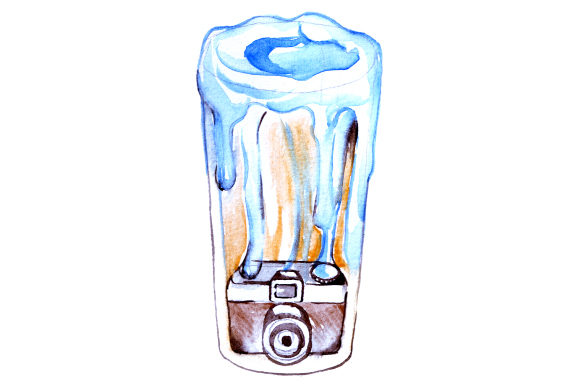
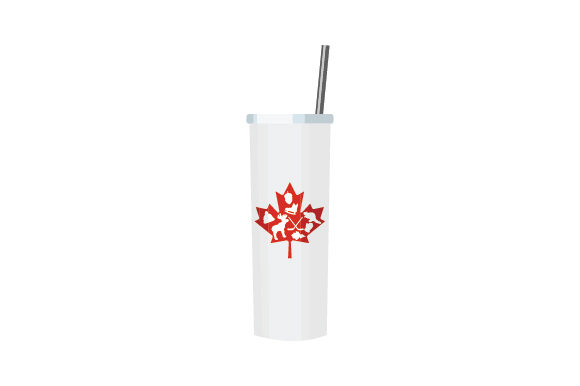
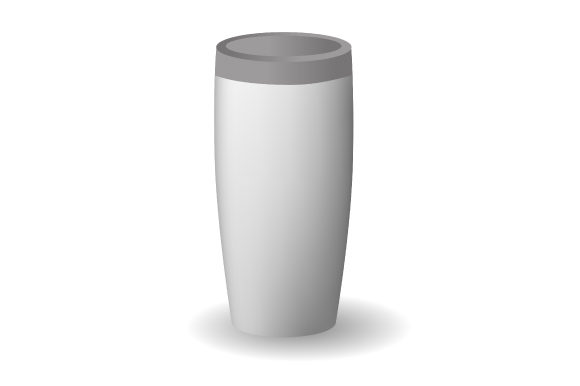
When I opened the Tumbler Mockup design, my immediate thought was "clean and recognizable." It doesn't try to be overly artistic or abstract; it presents the familiar, comforting silhouette of a drinking tumbler with clarity. This is a design that feels honest and functional. The mood it creates is one of everyday comfort—a cup of coffee, a quiet moment. The layout is centered and balanced, which translates beautifully to a straightforward embroidery placement. Its visual personality is friendly and unpretentious, making it feel like it naturally belongs on items meant for personal use or heartfelt gifts, rather than high-fashion apparel.
Where This Design Finds Its True Home
In practical terms, this mockup shines on project types where the theme of comfort and personalization is key. I immediately pictured it stitched onto a canvas tote bag for a coffee-loving friend, or as a sweet, subtle detail on a linen kitchen towel. For small business owners, like Etsy sellers specializing in cozy home goods, this design would be a solid asset for creating branded aprons or pillow covers for a boutique. Its straightforward shape also makes it a strong candidate for a printable mockup to preview digital products, giving customers a clear idea of the finished look on a sweatshirt or cap before they purchase.
I would lean towards using it on heavier, stable fabrics where its outline can stand proud. Think cotton twill tote bags, denim caps, or sturdy tea towels. The design’s clear shape would stitch up with excellent clarity on these, adding perceived value to a handmade product. For a crafter making personalized gifts, like a wedding gift for a couple who loves their morning routine, this embroidery could be a wonderfully understated and meaningful touch that builds customer trust through its genuine aesthetic.
The Practical Considerations for Stitching Success
This is where an experienced designer's perspective turns observational and realistic. While the Tumbler Mockup has a friendly shape, its success depends entirely on thoughtful application.
Navigating the Tricky Surfaces
You should use this design carefully on small hoop sizes. If the tumbler is scaled down too much for a baby item’s tiny sleeve, the curved lines might lose their smoothness and become jagged. Similarly, on highly textured fabrics like a thick sweater, the satin stitch or fill stitch defining the outline could get lost in the weave. Dark fabrics require a serious review of thread color contrast—a light-colored tumbler on a black sweatshirt needs a bright, opaque thread and possibly a layer of white understitching to pop.
Stretchy fabric, like on a t-shirt, demands excellent stabilizer and a reconsideration of stitch density to prevent puckering. And on curved surfaces like a baseball cap, the design’s balanced layout is a plus, but you must hoop and stitch meticulously to keep it centered. The corners and the opening of the tumbler are the detailed areas; in a dense stitch area here, you risk a stiff, bulky feel on lightweight apparel. Always test it on scrap fabric first, mimicking the final project’s fabric and color.
How It Elevates (or Limits) Your Final Product
When stitched well, this embroidery file enhances visual appeal through its simplicity and recognition. It doesn’t confuse the viewer. That clarity directly supports a professional, handmade presentation. For a craft business selling embroidered patches, a clean tumbler patch feels intentional and high-quality, aiding brand consistency. Its giftability is high because it’s universally understood and friendly.
However, if used on a fabric that doesn’t suit it, or with poor thread choices, it can look amateurish and flat, hurting buyer engagement. It’s not a design that will carry a product on its own artistic merit; it relies on the quality of the stitching and the appropriateness of the item it’s placed on.
Notes from the Worktable: Before You Hit Start
My final thoughts before using this in client projects or for my own shop merchandise always circle back to preparation. For the Tumbler Mockup, specifically:
- Check the provided file formats (SVG, Transparent PNG, EPS, DXF) and confirm which one your machine or software prefers for the cleanest path. Not all formats are equal for every machine embroidery system.
- Since exact stitch counts and hoop sizes aren't specified here, you must run a test to see the physical size and density. Does it fit your intended 4" hoop? Does the stitch count create a firm, stiff fill?
- Inspect the small details in a software preview. Are the lines defining the tumbler continuous and smooth for a running stitch outline, or are they broken?
- Test it in both black and white mockups. How does it look as a negative space on a dark background? Does the transparent PNG allow for easy digital compositing for your Etsy listings?
- Most crucially, confirm the licensing terms for this design from the source, Designs Amp, before selling finished items or commercial embroidery projects. Can you use it for physical products you sell? Can you use the file itself as a digital product preview? Never assume.
This design, under the Crafts category, is a practical tool. It won’t shock and awe, but it will reliably serve. For embroidery designers and creative entrepreneurs looking for a straightforward element for custom apparel, personalized gifts, or craft business items, the Tumbler Mockup is a dependable, if simple, design asset. Its real value is realized not in the digital file, but in your thoughtful choice of fabric, thread, and purpose.