Crafting Elegant Cups and Tumblers for Premium Branding
First Impression: A Tumbler Design Built for Modern Mood
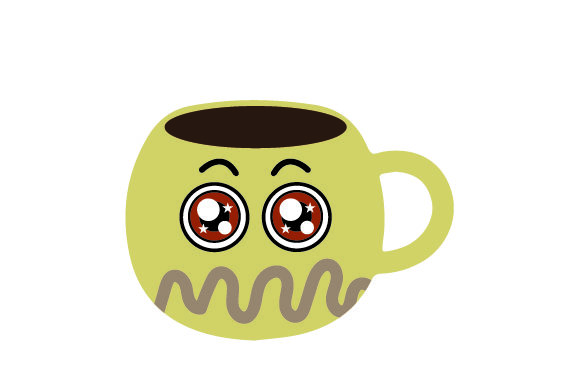
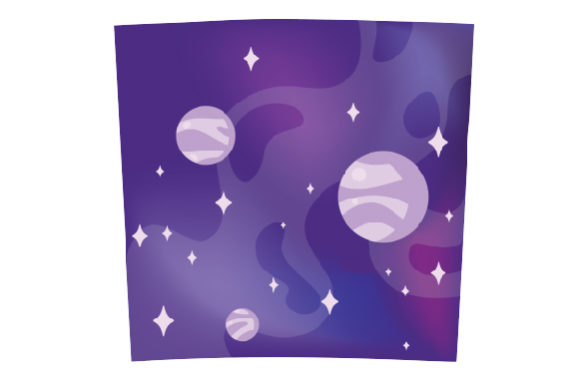
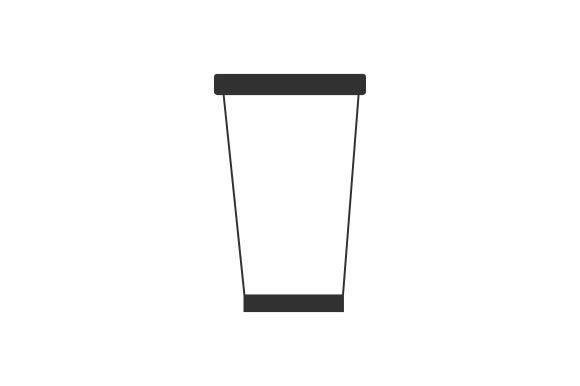
When a graphic design asset like this Tumbler enters my workflow, the first thing I assess is its mood. This design immediately sets a tone of casual elegance. It doesn’t shout; it invites. For a small business launching a new line of handmade ceramic cups or a lifestyle blogger promoting a cozy autumn recipe, this visual creates an instant emotional connection. The style leans towards premium visuals and handmade product narratives, perfect for content that needs to feel personal yet polished.
This isn’t just a piece of clipart; it’s a ready-made brand identity tool. Its simplicity allows it to be versatile, but the crafted detail gives it a weight that prevents it from looking generic or messy. In a real project—say, a digital campaign for an online coffee subscription—this Tumbler asset would serve as a foundational visual, establishing a warm, trustworthy aesthetic from the first touchpoint.
The Real Marketing Workflow: From Social Posts to Packaging
Let’s frame this review around a concrete scenario: a creative entrepreneur is preparing a content marketing kit for a product launch. They need visuals for Instagram posts, Pinterest pins, a new email banner, and even a subtle accent for their product label. This Tumbler design, delivered in formats like SVG and transparent PNG, slots directly into that workflow.
For social media graphics, especially Instagram and Pinterest, the clean lines and transparent background make it a hero. It can be layered over textured backgrounds or brand colors without clashing. As a Canva template element, it empowers non-designers to build professional-looking promotional banners quickly. In packaging design, scaled down as an EPS or DXF file, it could become a elegant watermark on a thank-you card or a minimalist logo for a sticker seal. It supports stronger first impressions by providing a clear, uncomplicated focal point.
Where This Design Asset Excels: Building Visual Consistency
Its true power lies in building visual consistency. Imagine using the same Tumbler illustration across your campaign headers, blog graphics, and digital ads. This repetition builds stronger recognition and audience trust. It becomes a recognizable brand symbol. For editorial design in a lead magnet or media kit about home brewing, it adds a decorative brand element that feels integrated, not slapped-on. It elevates the professional appearance of the entire content bundle.
Strategic Placement: Hero Graphics and Content Bundles
I’d deploy this asset as a hero graphic on a website header for a product launch. Its clarity ensures the message isn’t lost. In content bundles or printable promotions—like a free guide paired with a mug purchase—it acts as a unifying visual thread. It’s perfect for promotional banners where you need a strong icon without text competition. The SVG design scalability means it looks crisp on large posters and tiny on event flyers.
Caution Zones: Where to Apply Designer Discipline
However, every creative design has boundaries. This Tumbler should be used carefully in overly dense information layouts. On a text-heavy Facebook ad, it should be sized and placed to complement, not compete. For formal corporate branding selling industrial equipment, it likely misses the mark—its mood is too lifestyle-focused. On low-contrast backgrounds, readability needs testing. In small mobile graphics, ensure the detail doesn’t become a muddy pixel.
The key is context. This is a digital product for commercial design, but it’s not a universal plug-in. It shines in spaces where the brand story is about craft, comfort, or personal enjoyment.
Practical Brand Designer Notes: A Checklist Before Use
Before integrating this into a real client project or your own small business branding, run these tests. First, drop it into your brand color palette. See how it interacts. Check its usage in black and white for potential print applications. Crucially, place it inside real campaign mockups—a fake Instagram post, a website header comp. Preview it on a mobile screen.
Test readability when scaled down for a product label. Compare it against competitor visuals to ensure it helps you stand out, not blend in. Play with font pairing: how does it look next to a sharp sans serif font for a modern look? Or paired with a gentle script font for a handmade feel? Does it balance with a bold display font for a promotional poster? Review the spacing around it in your layout.
Finally, always confirm the commercial license. For use in paid campaigns, client work, or permanent business branding, you need unambiguous rights. This foundational step protects your investment and your professional reputation.
Supporting Marketing Goals Beyond Just Decoration
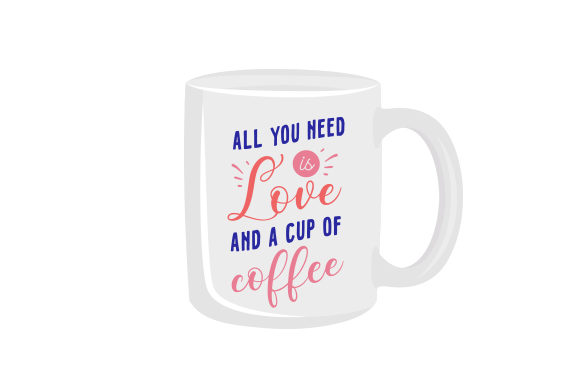
This Tumbler isn’t merely decoration. When used strategically, it directly supports marketing goals. It enables better product presentation by providing a clean, attractive representation of a cup or tumbler product itself. It fosters an emotional connection through its crafted aesthetic. It contributes to more memorable campaign visuals by serving as a consistent, quality anchor across channels.
For the content creator, social media manager, or digital seller, it’s a shortcut to quality. It removes the fear of creating messy, unprofessional graphics. It provides a reliable asset from the creative marketplace that can be repurposed endlessly across a brand’s ecosystem—from digital ads to printable design elements for packaging inserts.
The Final Take: A Versatile Tool for Attentive Brands
In conclusion, this Tumbler design asset is a strong candidate for brands operating in the spaces of Crafts, lifestyle, and premium casual goods. It helps attract an audience valuing aesthetics and authenticity. It supports campaign visuals by offering a flexible, high-quality foundation. Its limitations are clear but manageable with designer oversight.
For anyone building a visual content library, this kind of modern design element is invaluable. It streamlines creation, reinforces brand voice, and ultimately helps turn simple marketing messages into cohesive, engaging visual stories. The provided formats—SVG, PNG, EPS, DXF—mean it’s ready for virtually any application, from web design to physical merchandise, making it a truly practical investment for growth-focused creatives.