Hawaiian Tumbler Wrap: A Designer's Review for Real Projects
The Allure of Instant Vacation Vibes
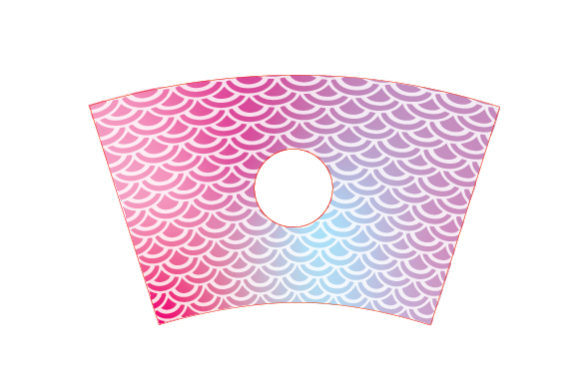
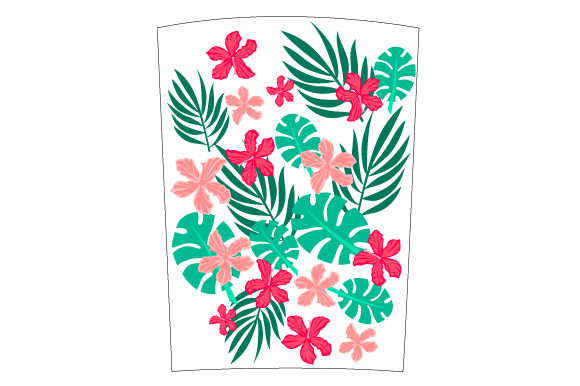
When you first open the Hawaiian Print Wrap design, you get a specific feeling. It’s not just a pattern; it’s a mood. The classic tropical motifs—likely florals and geometric shapes arranged for a tumbler—immediately suggest leisure, warmth, and a bit of fun. This isn’t a subtle, minimalist piece. It’s a statement design with a strong visual personality, perfect for injecting a burst of cheerful energy into a product.
As a designer reviewing this for real embroidery work, my first thought is about its application beyond the obvious. While it’s categorized under Cups Amp and Crafts and destined for a skinny tumbler, its true value lies in its adaptability. The layout and detail level feel balanced. It appears designed to wrap around a cylindrical object, which means it has a natural flow and rhythm that could translate beautifully to other curved or banded surfaces. I can already visualize it not just on a tumbler, but as a bold band on a tote bag strap, a central wrap on a knit cap, or even as a decorative border on a tea towel or apron. The theme is universally appealing and inherently giftable.
Where This Design Shines in Your Embroidery Projects
Let’s talk real-life use. Imagine you’re preparing a custom order for a client’s beach-themed boutique. They want a signature product for their summer launch. You’re considering embroidered tote bags. This Hawaiian wrap, adapted to fit the bag’s dimensions, could become that signature. It’s recognizable, upbeat, and perfectly fits the “vacation-ready” merchandise category. In another scenario, you’re a crafter making personalized gifts for a wedding with a tropical theme. Applying this design to linen napkins or pillow covers for the newlyweds adds a custom, handmade touch that ties directly into their celebration.
For custom apparel, like a relaxed sweatshirt or a t-shirt, using a section of the wrap as a chest or sleeve accent could work brilliantly. It’s bold enough to stand out without being overwhelming. For baby clothes or nursery decor, scaled appropriately, it brings a playful, sunny aesthetic. As an embroidered patch, it would be eye-catching and easy to apply, making it a fantastic option for craft fair products or Etsy listings where you offer customizable patches.
This design is also a strong digital embroidery file asset for those selling finished products or the designs themselves. The provided formats—SVG, Transparent PNG, EPS, DXF—are the expected professional suite, allowing for flexibility in editing, scaling, and creating printable mockups. This is crucial for small business owners building their brand consistency across marketing materials and actual products.
The Practicalities of Stitching a Tropical Theme
Now, the critical designer thinking. A design with “wrap” layout and likely intricate patterns demands a practical evaluation before the needle hits the fabric. For successful machine embroidery, you must consider its execution.
First, stitch density. Tropical prints often involve areas of solid fill for leaves or flowers. You need to envision how those dense fill stitch areas will behave on different fabrics. On a sturdy tote bag or denim, it’ll look rich and professional. On a thinner fabric, like a lightweight t-shirt, that density could lead to puckering or a stiff feel unless you use the correct stabilizer and perhaps even reduce the design scale.
Secondly, scale and hoop size. Since the original intent is for a 16oz tumbler, the design has a specific height and likely a length to wrap around. Applying it to other items means resizing. You must test the design on scrap fabric first. Pay close attention to the small details and any potential tiny lettering if it’s included. When you scale down for a smaller item like a cap, those details might lose clarity. Conversely, scaling up for a pillow cover might expose areas that are too sparse.
Where a Careful Approach is Needed
Not every project is an ideal canvas. This Hawaiian Print Wrap should be used carefully on certain surfaces and materials. Textured fabrics like some sweaters or blankets can obscure the crisp lines of the design. Stretchy fabric is a classic challenge; a design with continuous lines might distort if not stabilized perfectly.
Embroidering on dark fabric requires a thoughtful thread color contrast plan. The tropical palette might need adjustment to pop against a black or navy background. Always compare light and dark fabric backgrounds in your software mockup before committing.
The “wrap” nature implies it might have detailed corners or joining points. On a curved surface like a cap, this can be tricky to align perfectly. Also, consider products that need frequent washing, like kitchen towels or baby items. A very dense embroidery area might not wear as gracefully over dozens of washes compared to a simpler, less dense version of the motif.
Turning a Digital File into a Trusted Finished Product
How does using a design like this affect your end result and your customer? For the creative entrepreneur, the visual appeal is high. It’s instantly recognizable and conveys a specific, happy mood, which boosts buyer engagement. A well-executed embroidery of this design on a product demonstrates stitching clarity and skill, increasing the perceived product value and fostering customer trust. It looks professional.
For handmade presentation, it offers a polished, commercially-viable look while still being uniquely applied by you. This strengthens your small shop product offerings. Its giftability is obvious—it feels special and themed. However, the final professionalism depends entirely on your application. A poorly scaled, poorly stabilized version on an unsuitable fabric will undermine all those potential benefits.
A Designer’s Final Notes Before You Hoop It
Before you run this embroidery file for a client project or your next craft business item, do your homework. The notes here are based on assessing the design’s visual structure and typical application challenges. Since exact stitch count, specific hoop size requirements, and detailed machine compatibility notes aren’t provided in the basic description, you must check those within the file itself or with the seller.
Crucially, confirm licensing before selling finished items or digital products. Understand whether it’s for personal use only or includes commercial embroidery rights. This is a non-negotiable step for Etsy sellers and apparel decorators.
- Always test the design on scrap fabric first, mimicking the final project’s fabric type.
- Review stitch density in your software to see if adjustments are needed for your chosen material.
- Check thread color contrast. Do a test it in black and white mockups to check value contrast, not just hue.
- Inspect small details at your planned size. Will they stitch out cleanly?
- Use proper stabilizer. For a design with potential density, don’t skimp here.
The Hawaiian Print Wrap for a 16oz skinny tumbler is more than its category suggests. It’s a versatile, mood-setting embroidery design that, with careful preparation and smart application, can elevate a range of finished products from personalized gifts to small business merchandise. Approach it with a designer’s eye for context and a technician’s respect for the process, and it will bring that sunshine into your work.