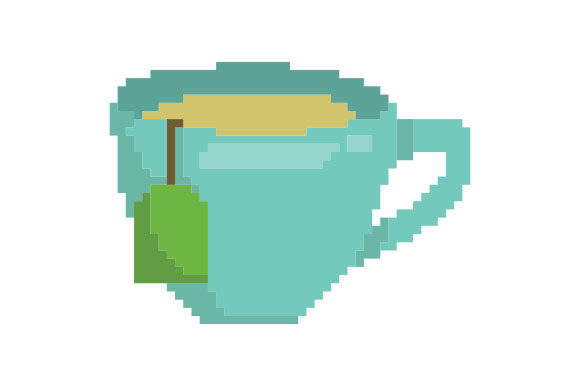
Pixel Art Tea Cup: A Cozy Digital Asset for Crafts and Cups
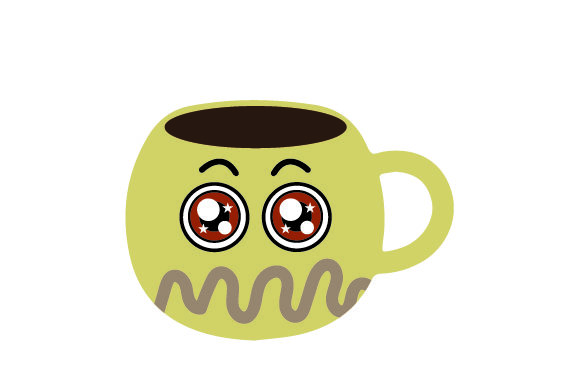
When a client project lands in your inbox, the first scan of your asset library is a moment of instinctive judgment. You’re not just looking for a picture; you’re evaluating a visual tool. Opening the Pixel Art Tea Cup file, that initial impression is clear: this is a specific, nostalgic mood. It’s cozy, digital, and carries a handmade warmth, despite its clearly structured pixels. It feels like a bridge between retro gaming aesthetics and modern, cottage-core sensibility.
The Immediate Fit: Which Projects Call for This Style
This isn’t a generic clipart piece. Its character immediately suggests a natural home. For a designer working on branding for a small business selling loose-leaf tea, a handmade ceramics Etsy shop, or a local cafe’s seasonal campaign, this graphic design asset offers a ready-made visual anchor. It fits projects celebrating craft, leisure, and digital nostalgia. Imagine a boutique product line for a tea subscription box—this pixel art illustration could become the cornerstone of the brand identity, appearing on labels, the website hero graphic, and social media graphics. For a blogger creating content about cozy gaming or DIY crafts, it’s a perfect, thematic blog visual.
From Logo Sketch to Packaging Detail
In practical application, the Pixel Art Tea Cup can play multiple roles. Its defined edges and clear shape make it a candidate for a simplified logo design for a micro-business, especially when paired with a clean, modern sans serif font. As a packaging design element, it works beautifully as a repeated decorative accent on a tea tin or box, or as a singular, charming detail on a product label. For printable designs like invitations for a tea-themed event or posters for a board game cafe, it provides immediate thematic clarity.
Where This Asset Excels in the Layout
In real design assets work, this tea cup performs best when given space to breathe. Use it as a hero graphic on a website landing page or a large focal point on a poster. It shines in product mockups—placed on a digital render of a real mug or tote bag for a print-on-demand store. Its transparent PNG format allows it to float seamlessly over textured backgrounds in Canva templates or editorial design. For crafters, the included SVG and DXF files make it ideal for precise Cricut projects, cutting cleanly for sticker designs or appliqué for a t-shirt design. As part of a themed collection—say, a set of pixel art kitchen items—it helps build cohesive campaign visuals.
Navigating the Limitations with Professional Eyes
Every asset has its boundaries. The pixelated style of the Pixel Art Tea Cup requires careful use in small sizes, such as a tiny icon in a crowded footer or a small detail on a busy flyer. The intricate pixel edges can become indistinct, harming visual hierarchy. Avoid placing it on complex, patterned backgrounds where its form might get lost. While it conveys fantastic emotional appeal and audience engagement for a niche, handmade business, it’s not suited for minimalist, corporate branding or projects demanding ultra-sleek, professional materials. The style inherently leans toward casual, friendly recognition.
The Designer’s Practical Checklist Before Client Use
Before committing this asset to a real client project, run your standard tests. First, check the commercial license to confirm your usage rights. Then, place it in context.
- Test scale: Preview it at both a large scale and a tiny scale to see how the pixels hold readability.
- Check contrast: Place the transparent PNG on both light and dark backgrounds to ensure the form remains clear.
- Print test: If using for printable wall art or product labels, output a sample to check print quality and color integrity.
- Font pairing: Compare it alongside different font styles. It often contrasts well with a clean sans serif for balance, or complements a playful display font. A serif font might clash; a script font needs careful spacing.
- Editability: Open the SVG or EPS file in your vector software. Inspect the paths. Is it grouped logically? Can you easily recolor it to match the client’s brand palette? This is crucial for brand consistency.
- Mockup integration: Drop it onto a real product mockup—a mug, a bag, a website header—to judge the final impression. Does it elevate the design, making it feel polished and intentional?
The Final Impression: Mood and Professionalism
Ultimately, the Pixel Art Tea Cup is more than a digital product; it’s a mood-setting tool. When used appropriately, it builds visual trust with an audience that values craft and digital nostalgia. It signals a brand that is approachable, creative, and specific. For the designer, it’s a ready-made element that can speed up the creative process for a suitable client, providing a foundation for marketing visuals, sublimation designs, or merchandise without starting from a blank canvas. Its value lies in its specificity. It won’t fit every project, but for the right one—a handmade business, a cozy game brand, a craft-focused content creator—it can be the piece that makes the entire design feel cohesive, engaging, and complete.