Why "The Best Things in Life Are Rescued" Is an Embroiderer's Dream
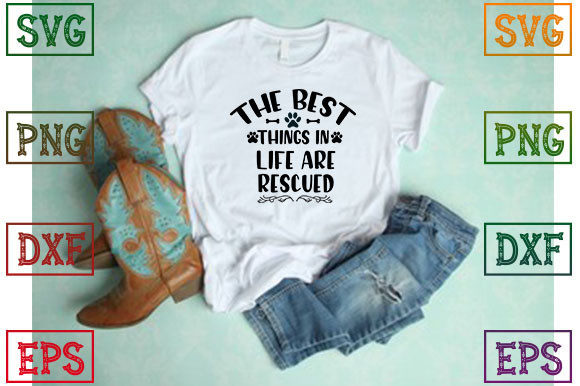
As a designer who turns digital files into tangible, stitched products, my first task is always to look beyond the screen. When I opened “The Best Things in Life Are Rescued,” the immediate impression was one of warmth and clarity. This isn’t just a dog typography design; it’s a statement with a gentle, welcoming personality. The layout feels balanced, and the theme resonates instantly with a huge audience of pet lovers, especially those with rescue dogs. This is the kind of graphic that doesn’t just sit on a shirt; it tells a quiet, heartfelt story.
The Perfect Project Partners: Where This Design Finds Its Home
In practice, this design excels on surfaces where its message can be prominently and cleanly displayed. Imagine a cozy, mid-weight cotton sweatshirt. The phrase, embroidered in a tasteful script, becomes a personal emblem rather than a loud slogan. It’s equally perfect for a canvas tote bag—a practical item that turns into a conversation starter at the grocery store or park. I’ve mentally placed it on a baby’s blanket or a nursery pillow cover as a gift for new parents who are dog lovers; the softness of the sentiment matches the item perfectly.
For small business owners, like Etsy sellers crafting custom apparel or boutique shops producing branded merchandise, this design adds immense value. It elevates a simple t-shirt or apron into a meaningful product. Its appeal is broad but personal, making it an excellent choice for holiday gifts, wedding gifts for dog-owning couples, or personalized products where you might add a name beneath the phrase. The graphic nature of the file means it also works beautifully for creating printable mockups to list your digital products or preview your finished embroidery work for clients.
Stitching Success: Navigating the Practical Details
When moving from concept to hoop, a few practical considerations come to mind. The provided files—SVG, PNG, DXF, and EPS—offer flexibility for different software and machines, which is excellent. However, the key to this design’s success in real-life embroidery situations lies in its clarity. The typography likely relies on clean satin stitches or fill stitches for the letters. On a dark fabric like a black cap, you’ll need excellent thread color contrast—a bright white or cream—to maintain the same warm mood. On textured fabrics like some towels or blankets, a sturdy stabilizer is non-negotiable to prevent the details from getting lost.
One area for careful application is small hoop sizes. If you’re thinking of putting this on a child’s shirt or a small patch, you must test the scale first. Tiny lettering can become dense and lose clarity if shrunk too much. Similarly, on stretchy fabrics or thin t-shirts, the stitch density needs to be managed to prevent puckering. Always run a test on scrap fabric of the same type first. This step is not optional; it’s what separates a professional-looking finished product from a disappointing one.
A Note on Caps and Curved Surfaces
Applying this to a curved surface like a baseball cap can be wonderful, but inspect the design’s corners and details at your intended scale. Some letterforms might need slight adjustments to sit perfectly on the curved panel. This is where having the vector files (like SVG and EPS) is a boon for any custom tweaks, though always check the licensing for such modifications if you plan commercial use.
How This Design Elevates Your Work and Your Brand
Using “The Best Things in Life Are Rescued” isn’t just about making a nice item. It affects the entire perception of your work. The design’s inherent charm increases the visual appeal and perceived value of your handmade product. For a customer, seeing this beautifully embroidered on a sweatshirt builds trust—it shows thoughtful selection and quality execution. It enhances giftability and recognition; people know exactly what it means and who it’s for.
For creative entrepreneurs, it supports brand consistency if your shop focuses on pet-themed, heartfelt, or family-oriented products. It feels professional but approachable. In a craft fair setting or an Etsy listing, a product featuring this embroidery engages buyers emotionally, which is a powerful driver. It turns a basic embroidery project into a meaningful finished product that people connect with.
Final Designer Notes Before You Stitch
My final advice, as if we’re chatting in my studio, is this: embrace this design’s potential but respect its requirements. Before committing to a client project or a batch of small shop merchandise, do the groundwork. Test it in black and white mockups to see how the silhouette holds up. Compare how it looks on both light and dark fabric backgrounds in your software. Confirm your hoop size can accommodate the design at your desired size without compromising the small details.
Crucially, while the files are provided for use, always confirm the licensing terms before selling finished items or using the design as part of commercial embroidery projects. Understanding whether it’s for personal use, commercial use, or both is essential for your business integrity. Then, with the right stabilizer, thoughtful thread colors, and a suitable fabric, “The Best Things in Life Are Rescued” will stitch out as a beautiful, resonant piece of work that truly celebrates what it proclaims.