A Pumpkin Design That Pairs with Any Project
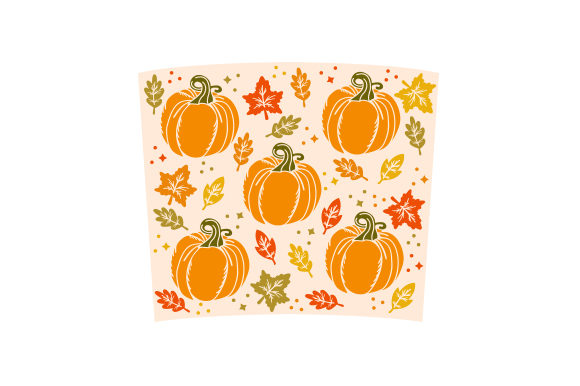
When an embroidery design arrives in your inbox, the first thing you do is look at it not just as an image, but as a potential finished stitch. You picture it on fabric, consider the thread choices, and imagine the reaction it’ll get from a client or customer. That’s exactly the process I went through with the Pumpkin-themed 16oz Hot Cup Wrap design. My initial impression? It’s a friendly, well-balanced motif that feels ready for autumn without being overly fussy. The theme is clear, but the layout has a simplicity that makes it versatile beyond just a cup wrap.
The Mood It Creates and Where It Naturally Belongs
The design’s personality is warm and approachable. It doesn’t scream “Halloween,” which is a plus—it leans more into a general harvest season or cozy fall aesthetic. This opens up its application significantly. You’re not limited to October merchandise; it can work for Thanksgiving gatherings, pumpkin-themed birthday parties, or simply as an autumn lifestyle decor piece. The detail level feels intentional: enough to be recognizable and charming, but not so dense that it becomes a stitching challenge on thinner fabrics.
Naturally, as a “cup wrap” design, it’s perfect for items like kitchen towels, apron pockets, or the front of a reusable grocery tote. But my mind immediately went to other projects. I pictured it as a central motif on a child’s sweatshirt for a family fall photo, or as a sweet, small accent on a baby blanket. For a small business owner, this design could become a staple for seasonal craft fair products, like embroidered patches for jackets or decorative pillow covers for a cozy home goods line.
Performance in Real-Life Embroidery Situations
Let’s talk about actual use. In a recent project, I was preparing a set of custom tote bags as personalized gifts for a client’s book club. They wanted an autumn theme. This pumpkin design was a contender. The key consideration was how it would stitch out on the canvas bag material. The design’s clean lines and defined shapes suggested it would hold up well, with good stitching clarity. Satin stitch borders and fill stitch areas, if present in the embroidery file, would need proper stabilizer on that textured fabric, but the design didn’t look overly intricate where it might get lost.
For apparel, like a sweatshirt or t-shirt, it’s a confident choice. The scale seems suitable—not too large to be cumbersome on a sleeve, not too small to lose its impact on a front pocket. On dark fabric, the thread color contrast becomes crucial. You’d want to test bright oranges and creams to ensure the pumpkin retains its cheerfulness. On caps or curved surfaces, the design’s compact layout should adapt well, provided the hoop size is appropriate and you’re using a good stabilizer for the curve.
A Note on Where to Use It Carefully
While versatile, there are places I’d approach with a bit more planning. On very thin or stretchy fabric, like a lightweight knit for baby clothes, you’d need to be meticulous about your stabilizer choice and stitch density to prevent puckering. Also, if the design contains any very tiny interior details or delicate decorative accents, those areas might need a closer look on textured fabrics like terry cloth for kitchen towels. Always, always test on scrap fabric first. This isn’t just about seeing the design stitch out; it’s about feeling how the fabric behaves afterward.
How This Design Affects Your Finished Product
From a business perspective, a design like this influences more than just the stitch. It affects visual appeal, which drives customer engagement. A clean, well-executed pumpkin embroidery on a tote bag or pillow cover looks professional and “finished.” That builds customer trust and enhances the perceived value of your handmade product. For a gift, it feels personal and thoughtful, boosting its giftability. For brand consistency, if your small shop specializes in seasonal crafts, this design can become a recognizable part of your autumn collection.
Using it in printable mockups for your Etsy listings or as a digital product preview for fellow embroidery designers, the design’s transparent PNG format is invaluable. It allows for clean, professional presentations that help sell both the digital embroidery file and the idea of the finished product.
Practical Notes for the Embroidery Designer
Before you commit this design to a client project or a batch of small shop merchandise, do your homework. Test the Pumpkin-themed 16oz Hot Cup Wrap on both light and dark fabric backgrounds to finalize your thread palette. Inspect the small details in your software preview. If you’re creating embroidered patches, consider how the edges and corners will look. Check the file formats you receive—SVG, PNG, EPS, DXF—for compatibility with your system and for creating any necessary applique guides.
Most importantly, confirm the licensing terms. Can it be used for commercial embroidery projects where you sell the finished product? Is it cleared for personal projects and personalized gifts? This is a fundamental step for any craft business owner or Etsy seller. Never assume.
Finally, think about the whole project lifecycle. A design like this, stitched onto a product that might need frequent washing, like a kitchen towel or baby item, should be stitched with quality thread and secure techniques to ensure it lasts. That durability translates directly to customer satisfaction and repeat business.
In essence, the Pumpkin-themed 16oz Hot Cup Wrap design is a solid, cheerful asset. It has the visual personality to attract attention and the practical layout to stitch well across a range of projects. Whether you’re a hobbyist making holiday gifts or a creative entrepreneur building your autumn product line, it’s a design worth putting in the hoop.