Is the Tumbler with Straw Design a Versatile Embroidery Choice?
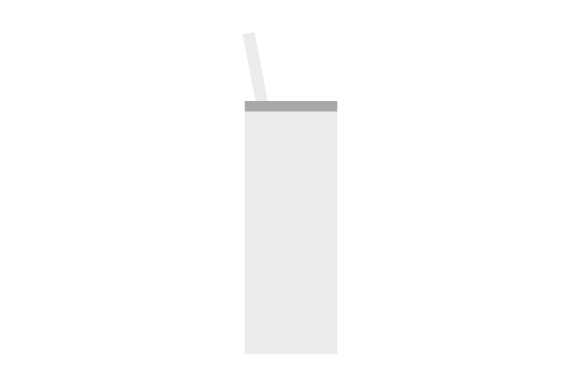
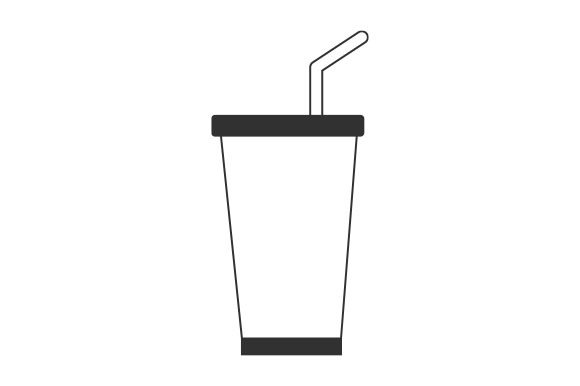
Every time I download a new embroidery file, my first question is simple: what kind of project does this design feel like? The Tumbler with Straw design immediately gives off a casual, friendly vibe. It’s not overly ornate or rigid; it has the relaxed personality of a favorite summer drink or a cozy morning coffee ritual. The straightforward shape and the clear straw detail suggest this is a design meant for everyday enjoyment, not formal decoration.
Where This Design Finds Its Home
This isn’t a design I’d reserve for a special occasion piece. Instead, its natural habitat is in the world of usable, loveable everyday items. I picture it on the corner of a kitchen apron, a cheerful accent on a cotton tote bag for a cafe regular, or a small, sweet motif on a baby’s burp cloth or lightweight blanket—anything related to comfort and simple pleasures. For a crafter or small business owner, this translates perfectly into products for a boutique, a craft fair table, or personalized gifts. A custom embroidered sweatshirt with this design feels inherently giftable, saying “here’s something cozy for you” without needing further explanation.
The Practical Stitching Scenario
Let’s walk through a real case. Imagine I’m preparing a batch of embroidered tea towels for a small shop’s holiday lineup. I want a design that’s recognizable, washes well, and doesn’t overwhelm the fabric. The Tumbler with Straw design, with its presumably clean outlines, would be a candidate. My first step, always, is to stitch it out on a scrap of the actual towel fabric. This tells me everything: how the satin stitch or fill stitch areas behave on that texture, whether the straw detail remains clear at the finished size, and if the overall stitch density is suitable for a fabric that gets laundered often.
For apparel, like a t-shirt or cap, the design’s simplicity is an advantage on curved surfaces. However, on a stretchy tee, I’d be cautious. Any design with concentrated stitches needs the right stabilizer to prevent puckering. The tumbler’s main body could be a denser fill area, so testing on a similar knit fabric is non-negotiable before running it on a final garment. On a cap, its compact shape would likely hoop well, but I’d check the file carefully for any tiny details in the straw or cup outline that might get lost on the curved, textured front panel.
When to Approach with Caution
While versatile, there are projects where I’d think twice. Very small hoop sizes might compress the design too much, making the straw and cup definition muddy. Embroidering it on a dark fabric requires a thoughtful thread color choice—you’d need good contrast for the shape to pop, so a test in a black and white mockup digitally is a smart move before committing thread. Also, on layered garments like a jacket, where embroidery sits on thicker material, the design’s scale might feel too modest unless it’s placed strategically, like on a cuff or collar.
The visual appeal for a customer is about clarity. A cleanly stitched tumbler looks professional and intentional. A blurred or puckered one can undermine customer trust in a handmade product. That’s why the pre-test is so crucial. This design, when executed well, adds value by being universally understood and evoking a positive, simple mood. It supports brand consistency for a shop focused on home, kitchen, or casual lifestyle products.
Notes from the Embroidery Machine
My practical notes for using this embroidery file always start with the provided formats. Having SVG, EPS, DXF, and a transparent PNG means flexibility. The vector files are essential for scaling to different project sizes without quality loss, and the PNG is invaluable for creating quick printable mockups for my Etsy listings or website. Before any stitch, I confirm the licensing for this digital embroidery file—can I use it for commercial embroidery projects, selling finished tote bags or aprons? That information is key for Etsy sellers and small shop product creation.
I then consider the fabric palette. On a light linen apron, a dark brown or navy thread for the tumbler could look classic. On a baby item, a pastel thread might soften it further. The design doesn’t dictate colors; it invites play. For a craft business, this means one design can generate multiple product variations. Finally, I always inspect the digital file itself for any overly intricate corners—sometimes a design’s charm on screen translates to challenging stitches in reality. A simple shape like this tumbler usually fares well, but checking the pathing in the software preview is part of my standard workflow.
The Final Impression for Your Project
In the end, the Tumbler with Straw design feels like a reliable, mood-setting asset. It’s not the star of a dramatic piece, but a solid supporting player in a range of embroidery projects. Its strength is in its thematic clarity and adaptable scale. For a personalized gift, it’s easy to explain and appreciate. For custom apparel or home goods, it integrates without fighting for attention.
My judgment as a designer using it for real work is positive, with the standard caveats: test it on your specific medium, mind the fabric texture and color, and ensure your technique matches the design’s intent. Done right, it elevates a simple product by adding a handmade, thoughtful touch. It speaks directly to the Crafts category it belongs to—utilitarian, creative, and warmly human. Whether you’re hooping it for a client’s order or for your next marketplace listing, it’s a design that asks for practical care in execution but rewards you with a straightforward, charming finished product.