A Practical Review of the Red Gingham Tumbler Wrap Embroidery Design
First Impression: Classic Charm with a Modern Twist
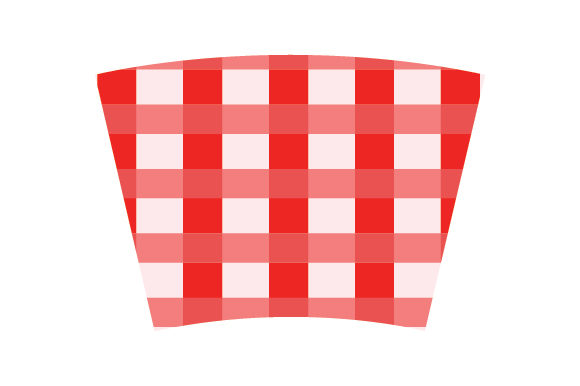
When I first opened the Red Gingham Tumbler Wrap embroidery file, my immediate thought was, "This is a classic." The gingham pattern isn't just a trend; it's a timeless motif that evokes warmth, home, and a cheerful, rustic vibe. This design, however, presents it in a clean, modern layout—a tumbler wrap isn't a sprawling picnic blanket pattern. It's contained, intentional, and perfectly suited for today's popular personalized drinkware. The visual personality is friendly and approachable, making it feel like a design that belongs on items meant for everyday use or heartfelt gifts.
Mood-wise, it’s unpretentious and joyful. The red color scheme lends itself perfectly to a wide range of projects: think cozy kitchen towels, festive holiday aprons, or a sweet addition to nursery decor. It doesn't scream for attention but rather adds a consistent, pleasant accent. For an embroidery designer or crafter, this translates into a versatile embroidery design that can anchor a product line or serve as a reliable, crowd-pleasing option for custom apparel.
The Real-World Embroidery Scenario: Crafting a Boutique Tea Towel
Let’s walk through a real case. Imagine you're preparing a set of embroidered tea towels for a small shop or an Etsy listing. You want something that feels handmade but also looks professional and cohesive. You load the Red Gingham Tumbler Wrap, thinking it might be a perfect centerpiece. On a light-colored linen towel, the red gingham will pop with a crisp, clean definition. The design's shape—a wrap around a tumbler—is inherently balanced, leaving nice negative space around it. This isn't a design that will overwhelm the fabric; it complements it.
Stitching it out, you’d consider the stitch density. Gingham patterns, with their checkered lines, often use a combination of satin stitch for bold borders and fill stitch or running stitch for the interior grid. The clarity of the final product hinges on how well those lines are defined. On a towel, which is a relatively stable, textured fabric, this design should hold up beautifully, retaining its sharpness even after washing. A customer’s reaction would likely be positive because the design communicates a clear theme—kitchen, home, warmth—without needing explanation. It increases the perceived value of a simple handmade product.
Where This Design Excels: Versatility Across Products
The Red Gingham Tumbler Wrap naturally fits into so many project categories. Beyond kitchen items, consider it for a tote bag design. It adds a touch of personality without being too loud. On a baby’s bib or a small blanket, the scale works well for baby embroidery, offering a cute, gender-neutral pattern. For holiday embroidery, especially around Christmas or Fourth of July, the red can be leveraged for seasonal merchandise.
For commercial embroidery projects, like a uniform apron for a boutique cafe or a staff cap, this design promotes brand consistency through its recognizable, friendly aesthetic. It’s also a strong candidate for creating an embroidered patch, given its contained shape and clear borders. As a digital embroidery file, having it in multiple formats like SVG and DXF means you can adapt it for different machines or even use it in printable mockups to preview products, which is crucial for Etsy sellers and digital product sellers.
Careful Application: Knowing Its Limits
While versatile, every design has optimal applications. For the Red Gingham Tumbler Wrap, you should be thoughtful about scale. On very small hoop sizes, the fine grid details of the gingham might lose definition, becoming a blur of red rather than a distinct check. It’s wise to test on a scrap first if you’re planning a mini version on a child’s hat.
Textured fabrics like thick sweaters or stretchy fabric like t-shirts require extra attention to stabilizer. The design’s integrity depends on clean lines, and fabric movement can distort that grid pattern. On dark fabric, you need to consider thread color contrast. A red design on a black background might need a white underlay or a different color palette adjustment to remain vibrant.
Also, consider the product’s end use. Items that need frequent washing, like adult sweatshirts or work aprons, require a robust stitch structure. Review the stitch density in the file to ensure it’s not too sparse, which could wear down, or too dense, which could stiffen the fabric. Curved surfaces like caps present a challenge for any design with straight lines; the curvature might slightly warp the perfect grid, so placement is key.
How It Impacts Your Business and Craft
From a professional standpoint, using a design like this affects more than just the stitch. It influences customer trust. A well-executed, clean gingham pattern on a product signals attention to detail. It enhances giftability—people instantly recognize it as a thoughtful, homemade present. For your brand consistency, if your shop specializes in rustic or kitchen-themed goods, this design becomes a reliable asset you can repeat across products, building recognition.
It also boosts professionalism. A design that stitches out cleanly and looks intentional on the finished product separates hobby work from sellable work. For buyer engagement, in online listings, a product featuring this design is easy to describe and market. The theme is clear, reducing customer confusion and increasing the chance of a sale.
Practical Notes for the Embroidery Designer
Before you commit this design to a client project or a batch of small shop products, here are my grounded recommendations.
First, test the design on scrap fabric first. Use both a light and a dark scrap to see how the thread colors perform. Second, review stitch density in your software. Does it look appropriate for your target fabric? Third, confirm hoop size compatibility. While the provided formats are versatile, the design has an ideal size range for clarity.
Inspect the small details, especially the corners of the tumbler wrap and the tiny grid squares. Are they defined enough for your machine? Test it in black and white mockups to see the composition without color bias. Always use proper stabilizer for the fabric you’ve chosen; this design’s success relies on a stable stitching field.
Crucially, check whether the design works for both personal and commercial projects. While it’s categorized under Crafts and likely within the Cups Amp niche, you must confirm licensing before selling finished items or digital products. Never assume. This protects your craft business and respects the digital artist.
Ultimately, the Red Gingham Tumbler Wrap is a strong, practical design asset. It won’t solve every project need, but for a wide swath of applications—from personalized gifts to commercial embroidery—it offers reliable charm and stitch-ready potential. Approach it with a professional’s eye for detail, and it will reward you with finished products that feel both handmade and thoroughly professional.